
Om oppdraget
I 2025 har frivillig Ida Øwre Lundby, gjennomført et oppdrag for å forbedre HMS-aspekter ved Kerewane Plastique, en fabrikk i Senegal som lager produkter av resirkulert plast.
Et bærekraftig initiativ mot plastforurensning i Senegal
Plastavfall utgjør en av de største miljøutfordringene i vår tid. Det forurenser hav og land, skader dyreliv, påvirker menneskers helse og bidrar til alvorlige miljøproblemer over hele verden. I Senegal finnes det ingen formelle systemer for avfallshåndtering. Plast og annet søppel skylles daglig i land fra Atlanterhavet, og mye av avfallet brennes åpent i hauger – en praksis som er både helseskadelig og miljøfiendtlig.
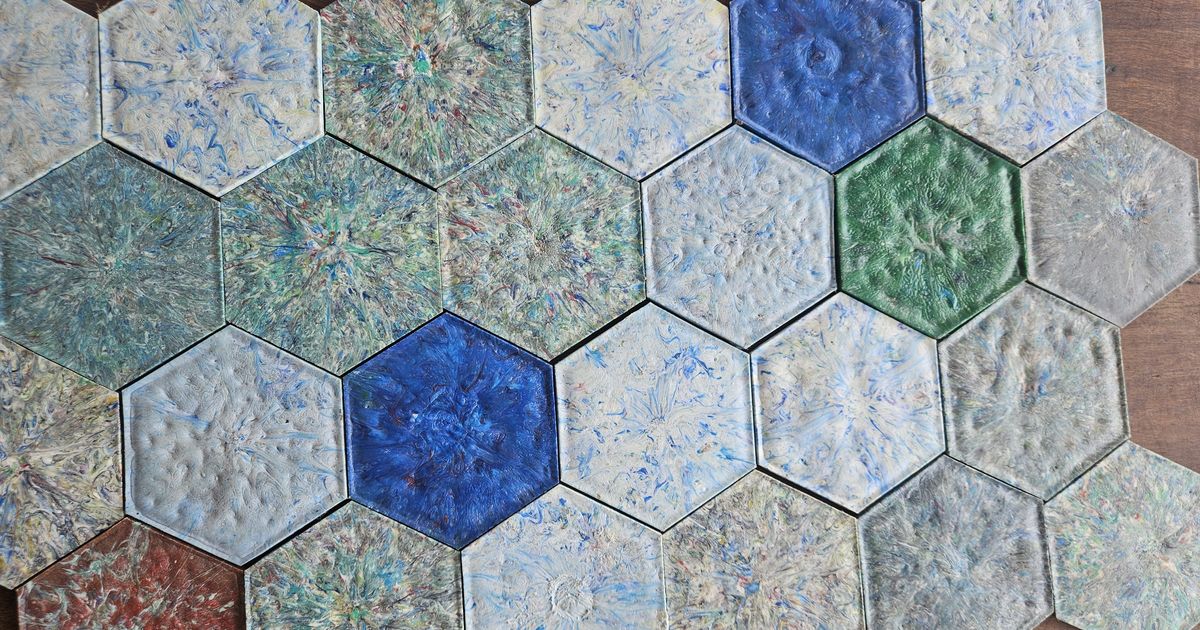
Waste@Work (W@W) er et prosjekt utviklet av IUGs samarbeidspartner Niafrangs Venner, som tar tak i dette problemet lokalt. Gjennom en liten fabrikk i Casamance-regionen, samles, sorteres og gjenvinnes plastavfall som ellers ville havnet i naturen. Plast og sand brukes blant annet til å produsere solide belegningsstein som selges lokalt.
Prosjektet kombinerer miljøansvar med lokal verdiskaping, og skaper både arbeidsplasser og konkrete løsninger på avfallsproblemet. Samtidig bidrar det til økt bevissthet om resirkulering og bærekraft i lokalsamfunnet.
Oppdraget
I April 2025 reiste frivillig ingeniør Ida Øwre Lundby til Senegal for å bidra med sin tekniske kompetanse. Feltarbeidet hennes fokuserte på å forbedre helse og sikkerhet i plastsmelteprosessen, samt testing og installasjon av nye komponenter. Arbeidet resulterte i redusert risiko for brann/selvantennelse og eksplosjonsfare, mer effektiv produksjon, og forbedrede rutiner på fabrikken, slik at de ansatte er mindre utsatt for gasser og tungt fysisk arbeid.
Om du vil vite mer om oppdraget kan du se vår digitale oppdragsrapport her
Du kan også se hele rapporten menyen til høyre.
About the assignment
In 2025, volunteer Ida Øwre Lundby carried out an assignment to improve health, safety, and environmental (HSE) practices at Kerewane Plastique, a factory in Senegal that produces goods made from recycled plastic.
A Sustainable Initiative Against Plastic Pollution in Senegal
Plastic waste is one of the greatest environmental challenges of our time. It pollutes oceans and land, harms wildlife, impacts human health, and contributes to serious global environmental issues. In Senegal, there are no formal systems for waste management. Every day, plastic and other debris wash ashore from the Atlantic Ocean, and much of the waste is openly burned in piles — a practice that is both harmful to health and damaging to the environment.
Waste@Work (W@W) is a project developed by EWB’s partner Niafrangs Venner, addressing this issue at a grassroots level. In a small factory located in the Casamance region, plastic waste that would otherwise end up in nature is collected, sorted, and recycled. The plastic, combined with sand, is used to produce durable paving stones, which are then sold locally.
The project merges environmental responsibility with local value creation, generating jobs and offering tangible solutions to the waste problem. At the same time, it fosters increased awareness of recycling and sustainability within the local community.
The assignment
In April 2025, volunteer engineer Ida Øwre Lundby travelled to Senegal to contribute with her technical expertise. Her field work focused on improving health and safety in the plastic melting process, and testing and installing new components. The work resulted in reduced risk of fire/spontaneous ignition and explosion hazards, more efficient production, and improved routines at the factory, reducing employees' exposure to harmful gases and physically demanding tasks.
If you want to learn more, you can view our digital report here
See the menu on the right for the full report.
